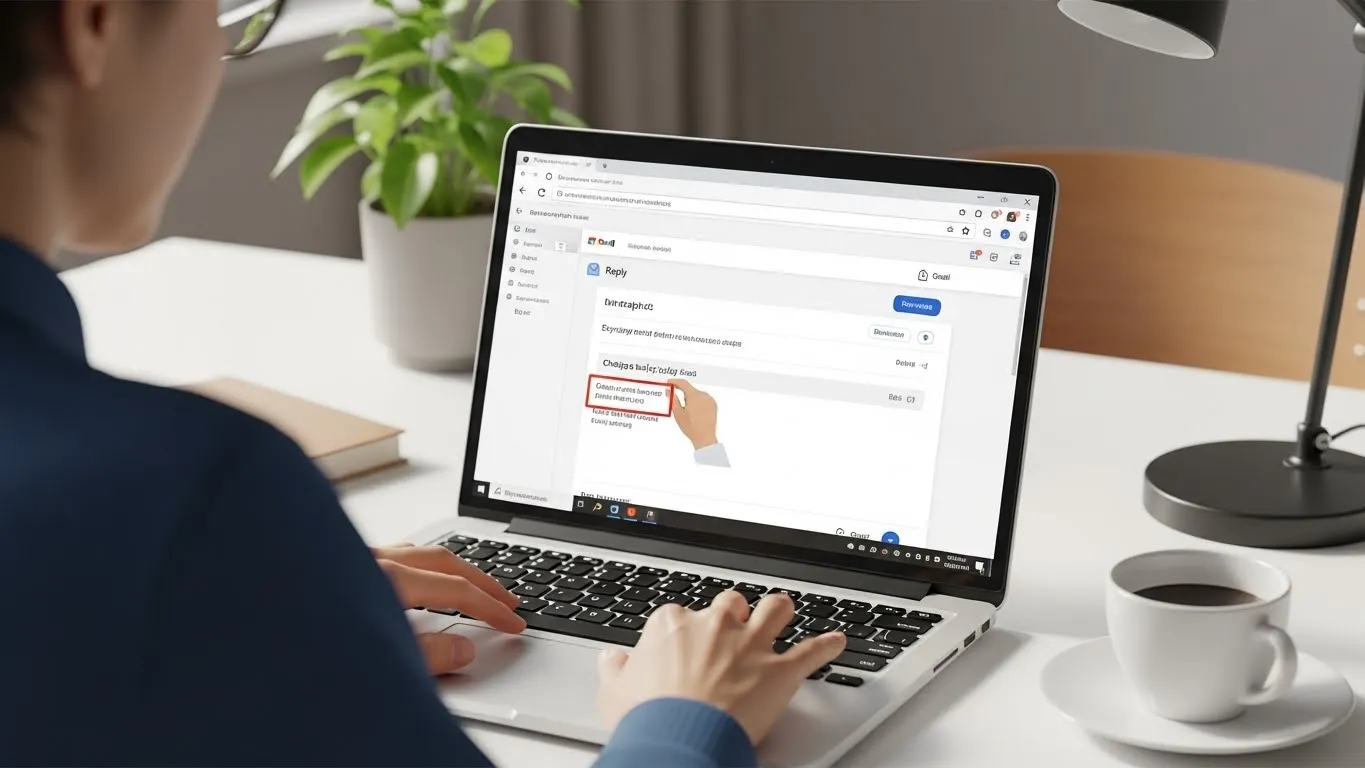
Hey, I just had one of those Gmail moments that I’m sure you’ve faced too.
I was replying to an important email, and suddenly realized the subject line didn’t fit what I wanted to say. I panicked for a second, thinking, can I even change it in a reply?
After a quick search and a little experimenting, I figured out how to change subject in Gmail reply.
It was simpler than I expected! I clicked reply, then selected the little drop-down next to the recipient’s name, chose Edit subject, and typed in my new subject. Just like that, my email looked professional and on point.
If you’ve ever struggled with replying and needed to tweak the subject, trust me, this trick will save you. I learned it the hard way, but now it’s my go-to Gmail hack.
Using Gmail’s Built-in Subject Edit Feature
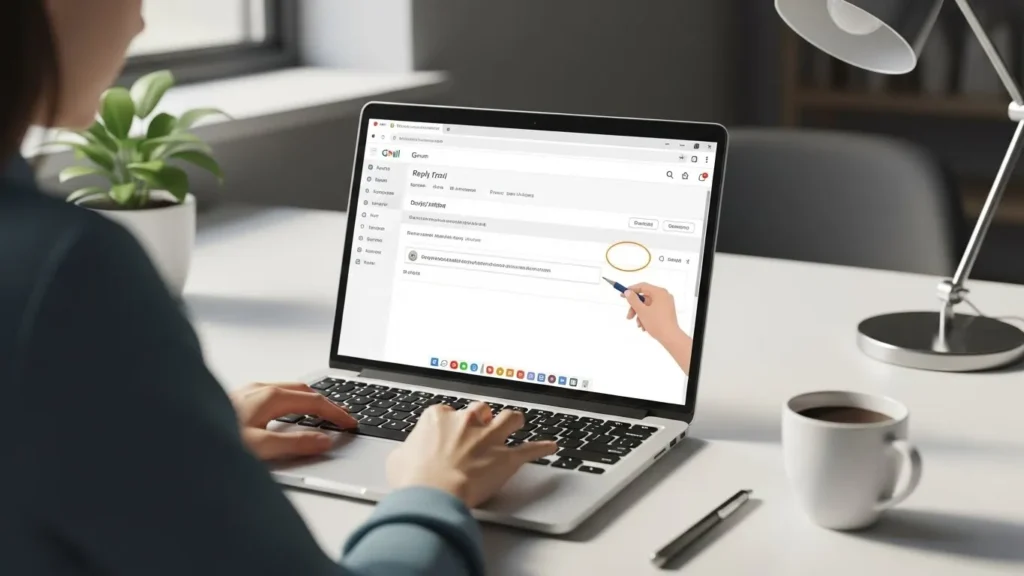
- Click Reply and then click the three-dot menu to edit the subject
- Highlight the current subject and type the new one
- Use descriptive keywords to clarify the topic
- Keep it short and relevant for quick understanding
- Include action words if needed, like Update, Follow-up, or Request
- Avoid vague words like Hello or Info
- Add urgency only when necessary
- Keep formatting simple without unnecessary symbols
- Use title case for clarity
- Replace old thread references with the new topic
- Use the recipient’s name if personalization is needed
- Check for typos before sending
- Use emojis only in casual contexts
- Avoid changing the subject too many times in a single thread
- Preview before sending to ensure clarity
Starting a Fresh Reply Email
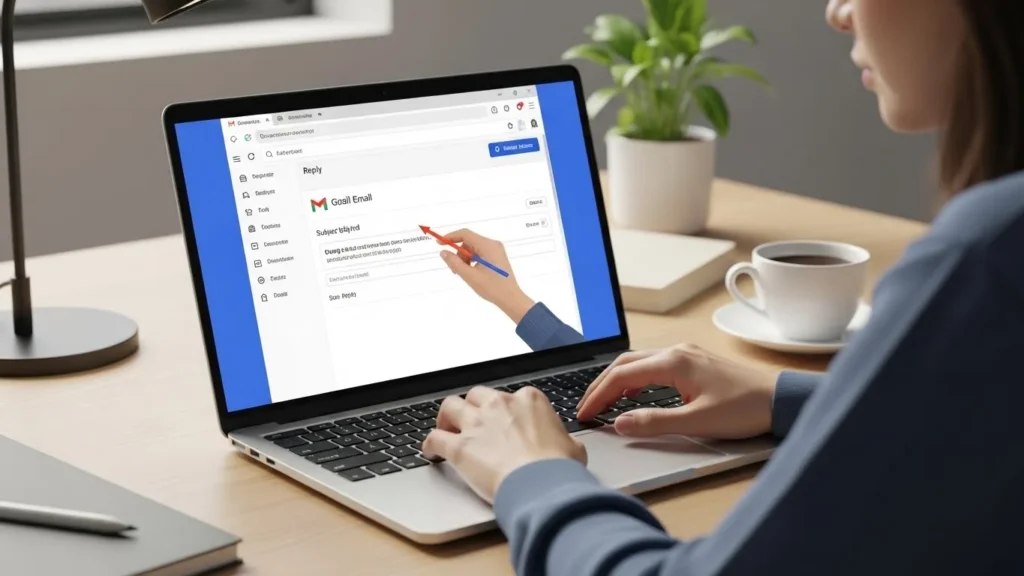
- Open a new message instead of replying
- Copy the original email content
- Paste it into a new email with a new subject
- Add a reference like RE: Previous Topic
- Make the new subject clear and actionable
- Use bullet points for main points
- Highlight key dates or deadlines
- Remove unnecessary history
- Add attachments separately
- Include only relevant recipients
- Keep greetings concise
- Clearly indicate any follow-up items
- Use bold for important points
- Sign off professionally
- Double-check the email chain for context
Using Drafts to Modify Subject Later
- Start your reply and save as draft
- Edit the subject after reflection
- Add context if needed for clarity
- Review email content before sending
- Include recipient name in subject for clarity
- Keep subject concise
- Use labels or tags if needed
- Use placeholders to remind yourself to update the subject
- Remove outdated references
- Ensure email thread continuity
- Avoid sending incomplete drafts
- Use bold formatting for key details in body
- Keep casual tone only when appropriate
- Include attachments relevant to the new subject
- Schedule sending if necessary
Using Gmail Templates
- Create a template for common subject changes
- Use descriptive subject lines
- Update template with fresh details
- Avoid generic subjects like Important or FYI
- Include specific project names
- Personalize template when possible
- Save multiple templates for efficiency
- Review template before sending
- Use professional tone for business emails
- Test template for readability
- Add reminders to update subject
- Use labels to find templates easily
- Keep email body aligned with new subject
- Avoid clutter in templates
- Use bold or italics sparingly
Adding Context in Subject
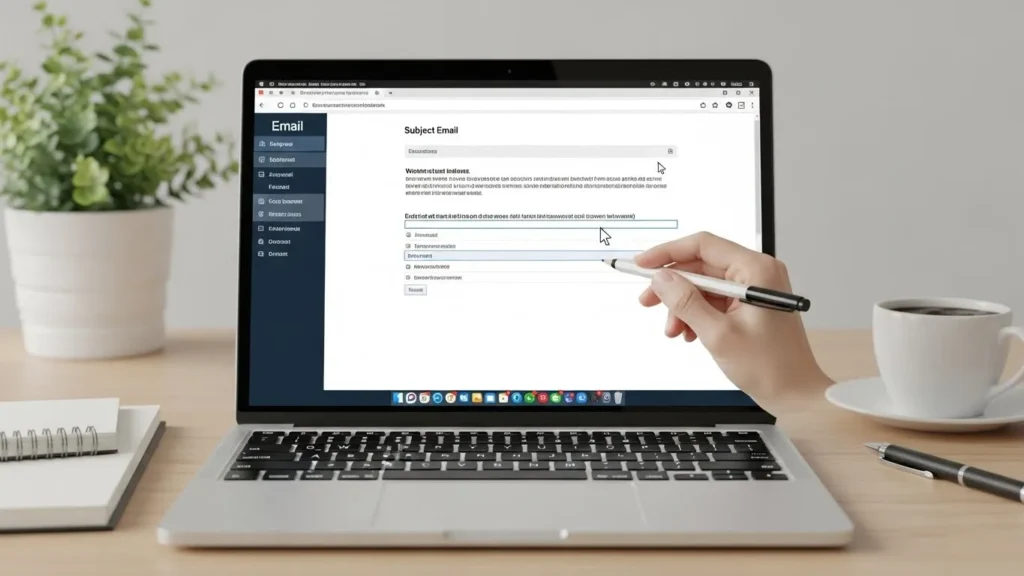
- Include main topic keyword
- Mention deadlines or dates
- Add recipient’s department if relevant
- Highlight action needed
- Use brief summary of email content
- Avoid overloading subject with details
- Make it scannable for busy readers
- Include urgency indicators only when necessary
- Reflect email tone in subject
- Avoid unnecessary capitalization
- Use recognizable abbreviations
- Include reference numbers if applicable
- Use positive words for good news
- Keep it simple for mobile reading
- Preview how subject looks in inbox
Using Keywords for Easy Reference
- Identify main points in email
- Replace generic words with specific keywords
- Avoid filler words like thing or stuff
- Highlight project names
- Use location or department when helpful
- Include client name if relevant
- Keep keywords concise
- Use hyphens or pipes for readability
- Avoid symbols that confuse email filters
- Test searchability in Gmail
- Ensure keywords match email content
- Consider recipient’s familiarity with terms
- Keep keyword order logical
- Update keywords for follow-ups
- Remove outdated references
Forwarding with New Subject
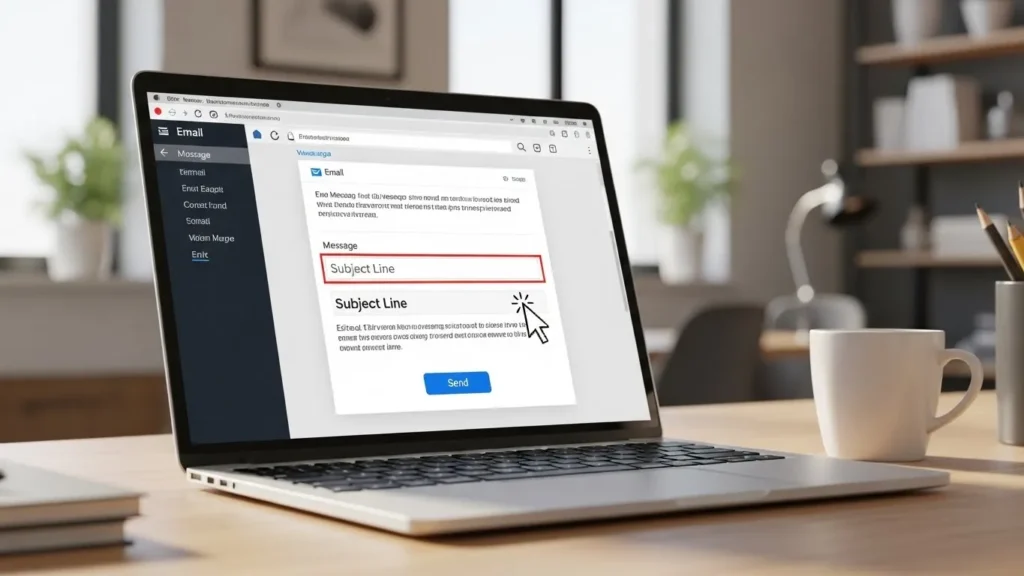
- Forward the original message instead of replying
- Create a new subject reflecting new context
- Include only relevant content
- Add introductory line for clarity
- Remove unnecessary attachments
- Keep formatting simple
- Highlight main points in body
- Mention recipient’s name for clarity
- Add call to action in subject if needed
- Avoid confusing thread references
- Keep forward professional
- Preview email before sending
- Use clear headers for sections
- Indicate urgency if needed
- Avoid sending to wrong recipients
Using Gmail Labels and Filters
- Assign label to emails needing subject change
- Use filters to automate labeling
- Create new label names with context
- Include recipient or project in label
- Review labeled emails for subject update
- Combine label with email search for clarity
- Avoid duplicate labels
- Keep label names short
- Use consistent naming conventions
- Include dates for tracking
- Remove outdated labels
- Update label after sending
- Prioritize labeled emails
- Use colors for labels if helpful
- Double-check label matches email content
Editing Subject for Professional Tone
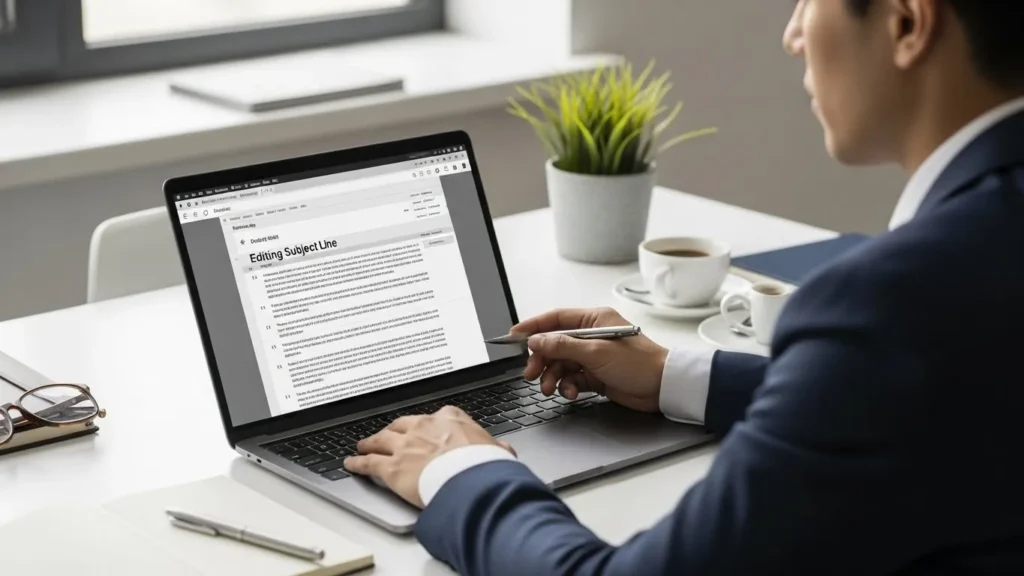
- Replace casual phrases with professional alternatives
- Remove slang or abbreviations
- Use action words like Review, Update, or Confirm
- Keep tone polite and concise
- Avoid all caps unless necessary
- Include recipient name for formality
- Highlight main purpose in subject
- Keep subject under 50 characters for clarity
- Avoid unnecessary punctuation
- Make email content match subject
- Reflect urgency appropriately
- Use clear verbs for clarity
- Avoid humor in formal contexts
- Preview email for tone consistency
- Maintain professionalism across replies
Combining Multiple Methods
- Use draft editing with keyword focus
- Add context and professional tone together
- Forward when necessary with new subject
- Apply labels for easy tracking
- Use templates for recurring subjects
- Preview each email before sending
- Include action points in subject line
- Keep mobile readability in mind
- Personalize for recipient clarity
- Avoid sending incomplete edits
- Remove outdated or irrelevant content
- Use subject to summarize key info
- Maintain thread continuity
- Apply formatting carefully
- Track response after subject change
Conclusion
Changing the subject in Gmail replies doesn’t have to be complicated.
With these 220 ways spread across 10 strategies, you can confidently edit subjects, maintain clarity, and keep your emails professional.
From using Gmail’s built in features to leveraging drafts, templates, keywords, and labels, there’s a method for every situation.
Applying these practical tips ensures your emails are clear, actionable, and easy to follow for both you and your recipients.

Jackson Reed is a passionate content creator sharing tips, quotes, and helpful guides.Explore his engaging and practical insights on Repplysz.com.Follow Jackson Reed for easy-to-use ideas and everyday inspiration.